

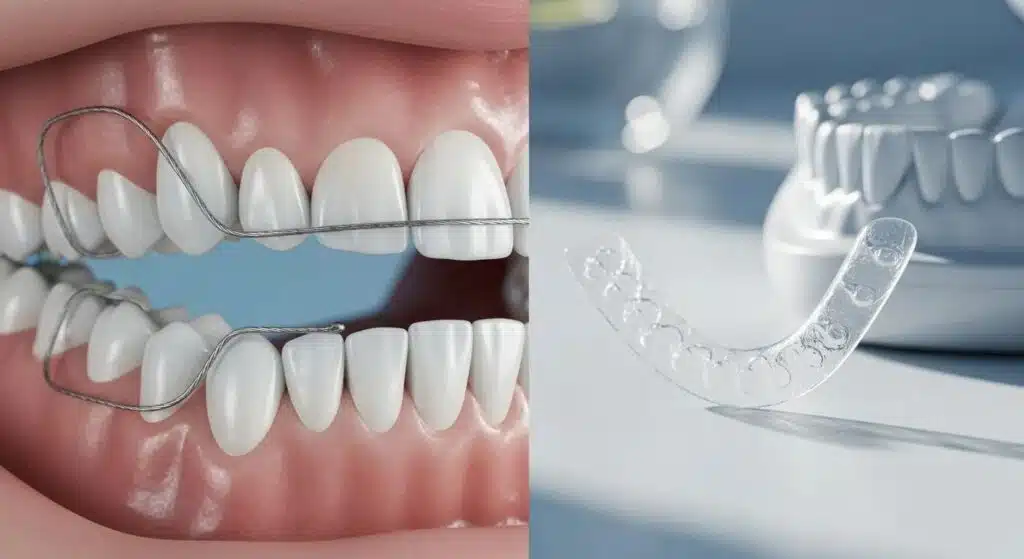
 Fixed vs removable retainers refers to the two main types of orthodontic retainers used after braces or Invisalign treatment to keep teeth in their new position. A fixed retainer is a thin wire bonded permanently behind the teeth, while a removable retainer is a custom-made appliance that can be taken out for eating and cleaning. The best choice depends on your lifestyle, oral hygiene habits, and orthodontist’s recommendation.
Finishing orthodontic treatment feels like a major milestone. You have invested time, effort, and trust into getting your teeth aligned properly. The question that follows is just as important: fixed vs removable retainer which one will actually keep your teeth straight for the long term? Permanent and removable orthodontic retainers both protect your results, but they work in different ways.
Fixed vs Removable Retainer: Effectiveness Comparison
Understanding the differences between fixed and removable retainers is crucial for maintaining your orthodontic results. The following table outlines key attributes of each retainer type to help you make an informed decision.
| Retainer Type | Attachment Method | Maintenance Requirements | Long-Term Effectiveness | Comfort Level |
|---|---|---|---|---|
| Fixed (Permanent) Retainer | Bonded to the back of teeth | Requires careful flossing around the wire | Provides continuous support without daily compliance | Generally comfortable, no removal needed |
| Removable Retainer | Custom-fit to teeth, can be taken out | Must be cleaned regularly and stored safely | Effectiveness depends on consistent wear as instructed | May feel tight initially, but comfort improves |
In summary, fixed retainers offer the advantage of continuous support without the need for daily compliance, while removable retainers require consistent wear and maintenance. Your choice should depend on your lifestyle, comfort preferences, and long-term orthodontic goals.
Teeth naturally try to shift back after braces or clear aligners come off. This happens because the bone and tissues around it need time to stabilize. Without proper retention, small movements can happen quickly and gradually become noticeable. Choosing the right option now can make the difference between maintaining your alignment and needing corrective treatment later.
This article will break down how each type of retainer works, what makes them different, and which option may provide stronger long-term stability.
Understanding the Different Types of Retainers
After orthodontic treatment ends, retention becomes the focus. Teeth are not locked into place the moment braces come off. The surrounding bone and ligaments need time to adapt, and that process can take months or longer. Retainers are designed to hold teeth steady while this stabilization occurs.
There are several types of retainers commonly recommended after treatment. These typically include:
- Fixed bonded retainers placed behind the front teeth
- Clear removable retainers that fit over the entire arch
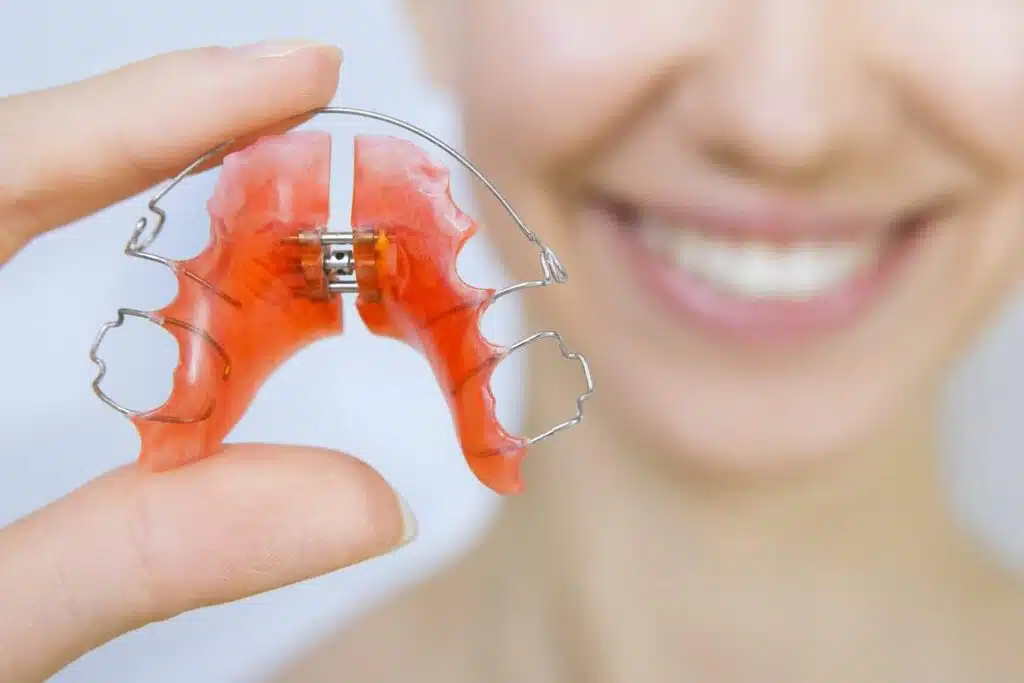
- Hawley retainers are made with acrylic and a thin metal wire
Each of these types of retainers serves the same purpose but functions differently in daily life. The choice depends on bite stability, patient habits, and long-term maintenance goals.
What Makes a Permanent Retainer vs Removable Retainer Different?
A fixed retainer, often called a bonded or permanent retainer, is attached to the back of the front teeth using dental adhesive. It stays in place at all times and works quietly in the background. Because it cannot be removed at home, it provides continuous support without relying on daily compliance.
A removable retainer can be taken out for eating and cleaning. Clear retainers are nearly invisible and fit snugly over the teeth, while Hawley retainers use a thin wire across the front. The core difference between a permanent retainer and a removable retainer comes down to control and responsibility.
Key differences include:
- Fixed retainers stay attached behind the teeth
- Removable retainers must be worn consistently as instructed
- Fixed retainers require careful flossing techniques
- Removable retainers must be stored safely when not in use
- Repairs and replacements differ between the two options
How Long to Wear a Retainer for Lasting Stability
Teeth can shift long after orthodontic treatment is finished. The bone around them continues to remodel, and natural forces from chewing and speaking can create gradual movement. That is why retention is not a short-term step but an ongoing commitment.
Most patients begin with full-time wear of a removable retainer for several months. Over time, this usually transitions to nighttime wear. Fixed retainers, on the other hand, remain in place continuously and do not depend on daily habits.
Many patients ask how long to wear a retainer to prevent relapse. In most cases, orthodontists recommend long-term or even lifetime nighttime wear for removable retainers to maintain alignment.
When Braces After Retainers Become Necessary
Retention works only when it is consistent. If a retainer is lost, broken, or not worn as directed, teeth can begin to move. At first, the change may feel minor, but small shifts can progress quickly.
Some warning signs are easy to miss. A retainer may start to feel tight, or it may not seat fully over the teeth. In more advanced cases, visible crowding or spacing can return.
Common signs of relapse include:
- Gaps reopening between teeth
- Front teeth beginning to overlap
- Bite alignment feels uneven
- A removable retainer no longer fits properly
When shifting becomes significant, Braces after retainers may be required to correct the movement. Early intervention can sometimes prevent the need for full retreatment.
Retainers in Brooklyn: What Patients Should Consider
Long-term retention should always be monitored by an orthodontic professional. Even fixed retainers can loosen over time, and removable retainers may warp or crack without obvious signs. Regular checkups help confirm that your teeth remain stable and that your appliance is still functioning properly.
Daily maintenance also plays a role in success. Fixed retainers require careful brushing and flossing around the bonded wire. Removable retainers must be cleaned consistently and stored in a protective case when not in use to prevent damage or loss.
Patients exploring Retainers in Brooklyn should look for a practice that provides ongoing follow-up care, clear wear instructions, and easy access if adjustments or replacements are needed. Continued support makes it easier to protect your orthodontic results for years to come.
Frequently Asked Questions About Long-Term Retention
Can a fixed retainer break without you noticing?
Yes, it is possible for a bonded wire to loosen on one tooth without causing immediate pain. That is why routine orthodontic checkups are important even after active treatment ends.
Are removable retainers uncomfortable to sleep in?
Most patients adjust within a few nights of consistent wear. Mild pressure at first is normal and usually fades quickly.
Do retainers affect speech long-term?
Some patients notice slight changes in speech during the first few days. Speech typically returns to normal once the tongue adapts.
Is it possible to switch retainer types later?
In some cases, switching is possible if your orthodontist determines it is appropriate. The decision depends on bite stability and long-term alignment goals.
Experience the Hanson Place Orthodontics Difference in Brooklyn
At Hanson Place Orthodontics, we believe protecting your smile is just as important as creating it. Transforming Brooklyn smiles means focusing on long-term stability, not just active treatment. Our certified orthodontic specialists combine advanced technology, including SureSmile and precise digital scans, with personalized care to help patients maintain strong alignment after braces or clear aligners. With over 200 five-star reviews and an Invisalign Guarantee, we are committed to delivering orthodontic care that supports lasting results across Brooklyn.
We accept most insurance plans and offer complimentary consultations to help you understand your retention options. From kids to teens to adults, our team takes time to evaluate your bite, monitor your retainers, and recommend the right plan to protect your investment.
If you want guidance on maintaining your smile for years to come, schedule your consultation with Dr. Yakov Eisenberger at Hanson Place Orthodontics or call our Brooklyn office today.