

Noticing that your child’s jaw looks uneven can raise real concern. Facial balance, bite function, and long-term oral health are all connected during growth. Many parents ask if early care can help before their child’s braces are considered. Dentofacial orthopedics for kids focuses on guiding jaw growth at the right time, using growth-based care instead of tooth movement alone. This article explains how uneven jaw growth develops, identifies early signs to watch for, and discusses how growth guidance may help some children avoid the need for immediate braces. It also covers when evaluation matters most and how early care can support healthier development as your child grows.
How Pediatric Jaw Growth and Development Works
Jaw growth in children follows a predictable pattern, but timing and balance matter. The upper and lower jaws grow at different rates during childhood. Small changes early on can affect how the teeth meet and how the face develops over time. Growth issues often begin quietly, before pain or obvious bite problems appear.
Several factors influence pediatric jaw development as a child grows.
- Genetics can affect jaw size and shape.
- Breathing habits, such as frequent mouth breathing, can change growth patterns.
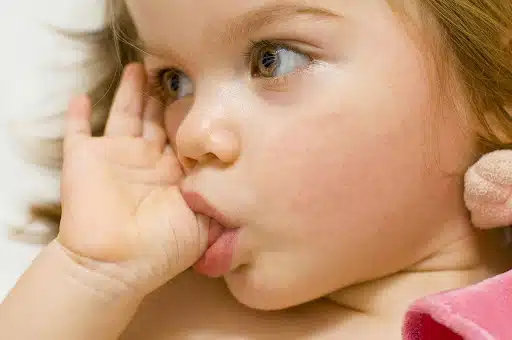
- Thumb sucking or prolonged pacifier use may shift jaw position.
- Early tooth loss can alter how the jaws adapt and align.
Because the jaws are still forming, growth guidance focuses on timing rather than force. Intervening while growth is active allows providers to influence direction and balance. This approach aims to support function, comfort, and facial harmony as development continues.
Early Signs Your Child’s Jaw May Be Developing Unevenly
Jaw growth concerns often show up in small, easy-to-miss ways. Parents may notice changes in how their child chews, speaks, or holds their mouth at rest. These signs do not always cause pain, which is why they are sometimes overlooked until growth advances.
Common warning signs include:
- A lower jaw that shifts to one side when biting
- Upper and lower teeth that do not line up evenly
- One side of the face appears fuller than the other
- Frequent mouth breathing or snoring
- Difficulty biting into foods evenly
Catching these signs early can make a meaningful difference. Growth-related concerns tend to become more complex with age. Early evaluation helps determine if monitoring or intervention could support healthier development during key growth stages.
What Dentofacial Orthopedics Focuses On for Growing Children
Dentofacial orthopedics for kids focuses on how the jaws develop, not just how the teeth appear. During childhood, the bones of the face are still forming and responding to growth signals. This allows care to focus on balance, function, and alignment while development is active.
Rather than moving teeth into position, this approach examines jaw relationships and their impact on bite and facial structure. Treatment may guide growth forward, widen narrow arches, or help the jaws meet more evenly. The goal is to support natural development instead of correcting problems after growth slows.
For some children, early growth guidance can reduce the severity of future concerns. In certain cases, it may delay or limit the need for braces later on. Outcomes depend on timing, growth patterns, and individual anatomy, which is why careful evaluation is essential.
Treatment Options That May Help Without Braces
Some children benefit from growth-focused treatment that does not involve braces right away. These options are designed to work with active development rather than relying on tooth movement. The goal is to support jaw balance while the bones are still responsive to change.
Common approaches may include:
- Removable appliances that guide jaw position during growth
- Expanders are used to widen narrow upper jaws
- Functional devices that encourage better jaw alignment
These options are most effective when used at the right stage of development. Timing influences how well the jaws respond and how long treatment may last. For some children, early care creates a more stable foundation for future treatment, even if braces are needed later.
How Pediatric-Focused Dental Care Supports Early Intervention
Early jaw concerns are often first noticed during routine dental visits. Dentistry for children places strong emphasis on growth, development, and prevention during these early years. Regular monitoring helps identify subtle changes before they affect function or comfort.
Pediatric-focused care looks beyond teeth alone. Bite patterns, jaw movement, and airway habits are all part of a child’s overall oral development. When changes are spotted early, providers can track growth and recommend evaluation at the right time.
This type of ongoing observation supports informed decisions. Some children only need monitoring, while others benefit from early guidance. The goal is to support healthy development without rushing into treatment before it is appropriate.
Frequently Asked Questions About Uneven Jaw Growth in Kids
1. Can uneven jaw growth correct itself over time?
Some mild differences may improve as a child grows, but others can become more noticeable. Monitoring growth helps determine if support is needed.
2. At what age should a child be evaluated for jaw growth concerns?
An evaluation often makes sense once adult teeth begin to appear. Early checks allow growth patterns to be observed before problems advance.
3. Does early treatment always prevent the need for braces later?
Early care can reduce complexity, but it does not replace braces in every case. Each child’s growth pattern is different.
4. Is early jaw treatment uncomfortable for children?
Most growth-focused appliances are designed with comfort in mind. Adjustment periods are usually brief and manageable for kids.
How We Support Early Jaw Development at Hanson Place Orthodontics
We take early jaw growth concerns seriously because timing matters. At Hanson Place Orthodontics, we evaluate how a child’s jaws are developing and how that growth may affect bite function and facial balance. Our focus is on identifying concerns early and determining if guidance during growth could help reduce future complications.
Our approach is rooted in thoughtful care and careful planning. We use modern diagnostic tools and orthodontic training to assess development and track changes over time.
If you have concerns about your child’s jaw growth, we invite you to schedule a consultation with our Brooklyn team to discuss next steps and learn if early evaluation may be appropriate.